
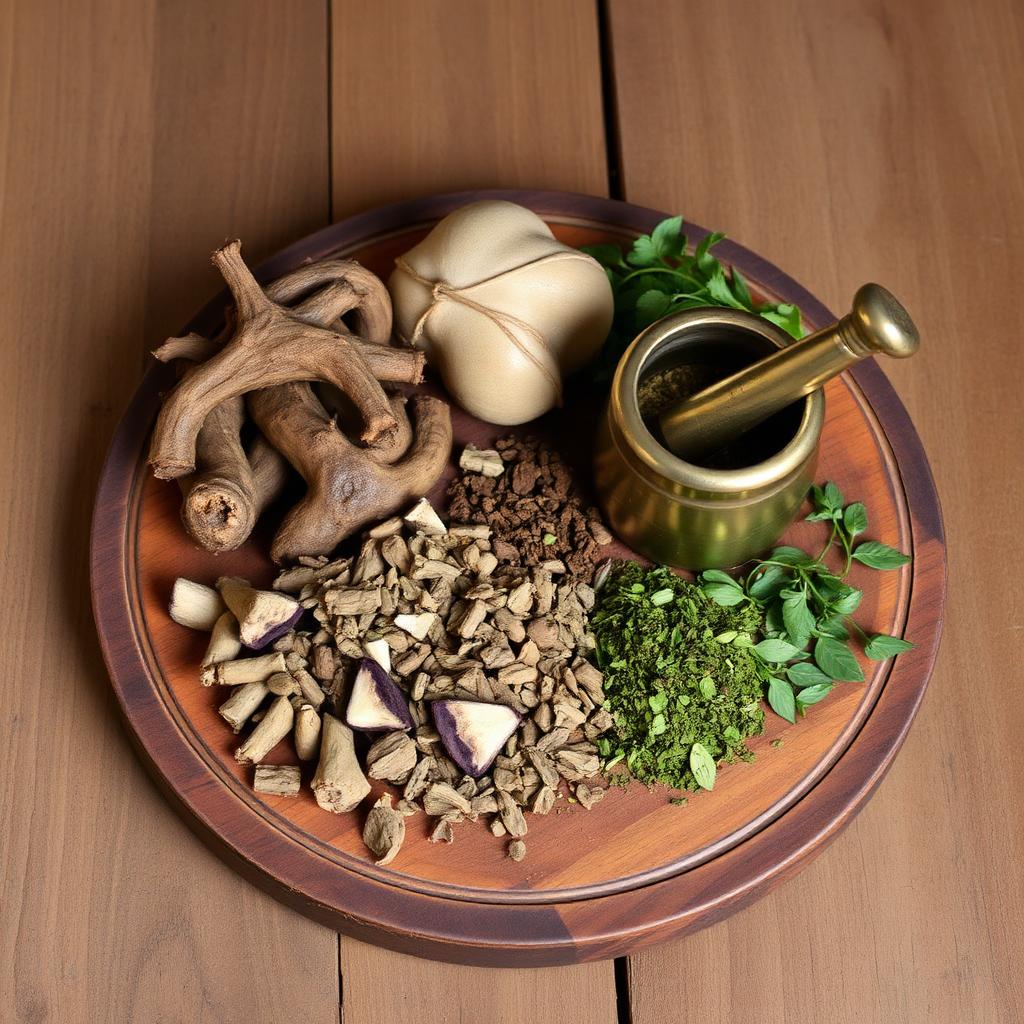
Classical Ayurvedic support for male infertility — foundational health, shukra dhatu and vajikarana-based care coordinated with your medical evaluation.
Male infertility is a common reproductive health condition that affects a couple's ability to conceive and contributes to nearly half of all infertility cases. It most commonly results from problems with sperm count, motility (movement), morphology (shape), or sperm delivery. In many men, there are no obvious symptoms, making proper evaluation essential even when overall health appears normal.
Understanding male infertility is important because assessment is relatively simple, non-invasive, and often begins with a basic semen analysis, which can provide valuable information early in the fertility journey. If you are considering Ayurvedic Male Infertility Treatment in Indore, the classical Ayurvedic approach focuses on understanding the individual's Prakriti (body constitution), lifestyle, diet, stress levels, and overall reproductive health. At Rajiv Dixit Multispeciality Ayurved, experienced vaidyas develop a personalised treatment plan designed to support reproductive wellness while working alongside appropriate medical evaluation whenever needed.
How Conception Depends on Sperm
Fathering a pregnancy requires enough healthy, motile sperm to travel through the female reproductive tract and fertilise an egg. Sperm are produced continuously in the testes over roughly a two-to-three-month cycle, mature in transit, and are delivered at ejaculation. A problem at any point — production, maturation, transport or delivery — can reduce fertility. Because the production cycle spans months, both harms and improvements show up on a delay.
Common Symptoms (and Their Usual Absence)
Most men with impaired fertility feel completely well. When signs do appear, they may include:
- Difficulty conceiving despite regular, unprotected intercourse for a year or more.
- Changes in sexual function — reduced desire, or difficulty with erection or ejaculation.
- Pain, swelling or a lump in the testicular area.
- Reduced facial or body hair or other signs of hormonal imbalance.
- A history of testicular problems, undescended testes, injury or relevant surgery.
Causes & Risk Factors
- Varicocele — enlarged scrotal veins, a common and often correctable cause.
- Hormonal imbalances affecting sperm production.
- Infections and inflammation of the reproductive tract.
- Undescended testes, genetic conditions, or prior testicular injury/surgery.
- Blockages preventing sperm delivery.
- Lifestyle factors: smoking, heavy alcohol, obesity, chronic stress, and heat exposure to the testes.
- Certain medicines, anabolic steroids, environmental toxins and some chronic illnesses.
- Age-related decline in sperm quality — gradual but real.
Evaluation & Possible Treatments
Assessment centres on semen analysis — measuring count, motility and morphology — repeated to confirm since results vary. Hormone tests, scrotal ultrasound, infection screening and, in selected cases, genetic tests refine the picture. Because sperm reflect the preceding months, lifestyle and health changes are given time before re-testing.
Treatment depends on cause: correcting a varicocele, treating infection or hormonal imbalance, addressing lifestyle drivers, or — where natural conception remains difficult — assisted reproduction (IUI, IVF, ICSI). A reproductive specialist guides which path fits.
The Ayurvedic View
Classical Ayurveda addresses male reproductive health through shukra dhatu — the reproductive tissue regarded as the refined essence of nutrition — and vajikarana, the specialised branch concerned with reproductive vitality. Healthy shukra depends on the whole chain of digestion, nourishment and tissue formation being sound, and on freedom from excess stress, heat and depletion — an emphasis that aligns with the modern lifestyle contributors to sperm quality.
Ayurveda's constructive emphasis is on foundational health — nutrition, sleep, stress, routine and avoidance of known harms — as the ground of reproductive vitality. This is supportive territory best pursued alongside proper medical evaluation, since structural causes such as varicocele, blockage or significant hormonal problems need medical identification and, often, medical treatment.
Prevention & Supportive Care
- Not delaying evaluation — a semen analysis early in the journey is quick and clarifying.
- Stopping smoking and limiting alcohol.
- Achieving a healthy weight and staying physically active.
- Managing chronic stress and prioritising regular sleep.
- Avoiding excess heat to the testes (prolonged laptops-on-lap, saunas, very hot baths).
- Avoiding anabolic steroids and unvetted supplements, which can suppress fertility.
- Treating infections promptly and managing chronic illnesses well.
When to See a Doctor
A couple who has not conceived after 12 months of regular, unprotected intercourse — or after 6 months if the female partner is above 35 years of age — should seek a fertility evaluation together. Earlier evaluation is recommended if there is a history of testicular problems, injury, surgery, sexual difficulties, or symptoms such as a testicular lump, swelling, or pain. For personalised guidance, consult an experienced Ayurvedic doctor in Indore at Rajiv Dixit Multispeciality Ayurved.
Address: Plot No. 570, Scheme No. 140, behind Narayani Hospital, Piplihana, Indore (M.P.)
Call: +91 62620 62323 or +91 99261 12344
Email: info@rajivdixitayurveda.com
Frequently asked questions
Where can I get Ayurvedic male infertility treatment in Indore?
Rajiv Dixit Multispeciality Ayurveda Center offers Ayurvedic male infertility treatment in Indore through personalized Ayurvedic care. Treatment plans may include herbal medicines, dietary guidance, lifestyle modifications, and supportive therapies based on individual health conditions. For appointments, call +91-9926112344.
How common is male-factor infertility?
A male factor contributes in roughly half of couples facing difficulty conceiving and is the sole cause in a substantial share — making early male evaluation essential, not optional.
Does male infertility have symptoms?
Usually none — most affected men feel entirely well. That is exactly why a semen analysis, rather than how a man feels, is the starting point for assessment.
What does a semen analysis measure?
Chiefly sperm count, motility (movement) and morphology (shape), along with volume and other markers. It's repeated to confirm since results naturally vary.
What is a varicocele?
Enlarged veins in the scrotum — a common cause of impaired sperm quality that is frequently correctable, which is why it's specifically looked for during evaluation.
Can lifestyle really affect sperm?
Yes — smoking, heavy alcohol, obesity, chronic stress and heat exposure all influence sperm quality, and improvements show up after the two-to-three-month production cycle.
How long before lifestyle changes show effect?
Because sperm take roughly two to three months to produce and mature, changes are typically given about three months before re-testing.
How does Ayurveda view male fertility?
Through shukra dhatu (reproductive tissue as the essence of nutrition) and vajikarana (reproductive vitality), emphasising sound digestion, nourishment, sleep and freedom from stress and heat — a foundational-health emphasis alongside medical evaluation.
Can male infertility be treated?
Often yes — by correcting varicocele, treating infection or hormonal imbalance, addressing lifestyle, or using assisted reproduction (IUI/IVF/ICSI) where needed. A specialist matches the approach to the cause.
Should both partners be evaluated together?
Yes — fertility is a couple's matter, and evaluating both simultaneously (with the male semen analysis early) saves time and directs care accurately.
Have questions about your health?
Book a personalised consultation with our experienced Ayurvedic doctors.
Book Appointment