An introduction to Ayurveda — its 5,000-year-old philosophy, the three doshas, daily habits and common herbs that help you build lasting wellness.
Have you ever wondered why some people seem to stay energetic, healthy, and balanced despite today's busy lifestyle? The answer often lies in their daily habits.
Ayurveda, India's ancient system of wellness, teaches that good health isn't just about treating illness — it's about maintaining balance in your body, mind, and lifestyle every day.
What Is Ayurveda?
Ayurveda is one of the world's oldest holistic healthcare systems, with a history spanning over 5,000 years. The word Ayurveda comes from Sanskrit: Ayur (life) + Veda (knowledge) — together meaning "The Science of Life."
Unlike approaches that focus only on illness, Ayurveda emphasizes maintaining overall well-being through healthy eating, proper sleep, regular exercise, stress management, and harmony with nature.
Why Is Ayurveda Different?
Modern life often encourages us to ignore our body's signals. Late-night work, processed foods, stress, and irregular routines can gradually affect our health.
"Instead of asking 'How do I cure this?', Ayurveda encourages us to ask 'How can I keep myself healthy every day?'"
Understanding the Three Doshas
According to Ayurveda, every individual has a unique combination of three natural energies called Doshas.
Vata — Movement
People with dominant Vata qualities are often creative, energetic, curious, and quick learners. Regular routines, nourishing meals, and adequate rest help maintain balance.
Pitta — Transformation
Pitta represents metabolism. Strong determination, good digestion, leadership qualities and sharp focus are common. A balanced lifestyle with cooling foods and hydration supports well-being.
Kapha — Stability
Kapha represents stability and strength. Calm, patient, caring and physically strong. Regular activity and light, fresh meals are recommended.
Food Is More Than Nutrition
Ayurveda believes food is one of the strongest foundations of good health. Simple habits include:
- Eat freshly prepared meals whenever possible
- Eat at regular times
- Avoid overeating
- Eat slowly and mindfully
- Include seasonal fruits and vegetables
Daily Habits That Support Well-Being
- Start your morning with warm water
- Take a short walk or practice yoga
- Spend 10 minutes meditating or practicing deep breathing
- Eat fresh, balanced meals
- Maintain a regular sleep schedule
Common Herbs Used in Ayurveda
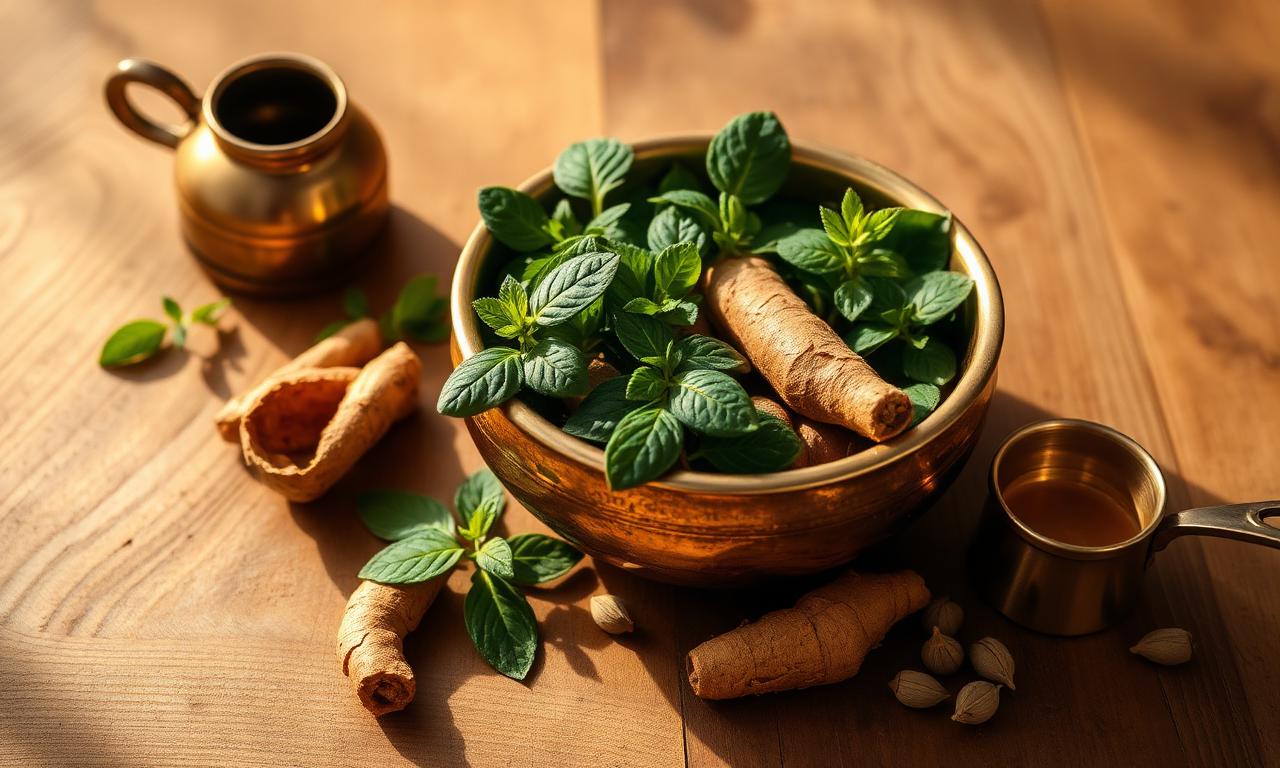
Ayurveda has traditionally used a wide variety of herbs including Turmeric, Tulsi (Holy Basil), Ginger, Ashwagandha, Amla and Neem. If you're pregnant, have a medical condition, or take prescription medications, consult a qualified healthcare professional before beginning any herbal regimen.
Is Ayurveda Only for Older People?
Absolutely not. Students, working professionals, homemakers, fitness enthusiasts and senior citizens — Ayurvedic principles can be adapted to any daily routine.
Can Ayurveda Be Used Alongside Modern Medicine?
Yes, many people incorporate Ayurvedic lifestyle practices alongside conventional healthcare. However, Ayurveda should not replace emergency treatment or medically necessary care.
Why Are More People Choosing Ayurveda Today?
Rather than promising instant results, Ayurveda emphasizes consistency and gradual improvements — personalized wellness, preventive health habits, natural lifestyle practices and long-term routines.
Have questions about your health?
Book a personalised consultation with our experienced Ayurvedic doctors.
Book Appointment